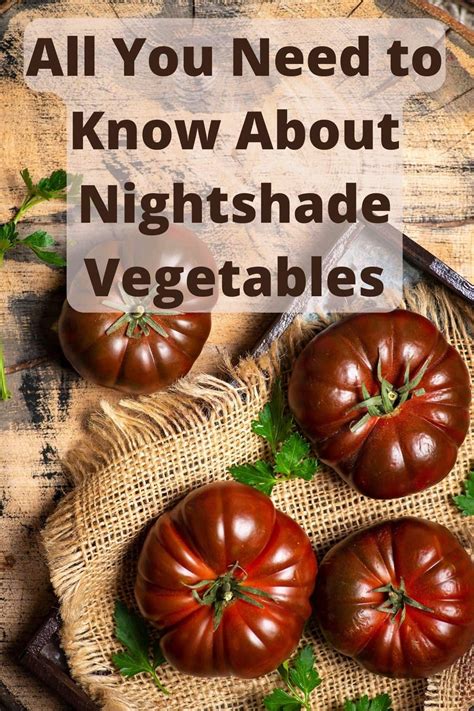
Nightshade Vegetables: What You Need to Know
Benefits of Nightshades. Consuming Nightshades. 4 min read. Nightshade is a family of plants that includes tomatoes, eggplant, potatoes, and peppers. Tobacco is also in the nightshade. Anne is a certified Integrative Nutritional Health Coach and Interior Designer who is passionate about whole home and body detox, as well as personalized nutritional therapies tailored to the individual. Interested in learning more about metabolic health and weight management? What Are Nightshade Vegetables, And Are They Good For You?
Nightshades are a botanical family of foods and spices that contain chemical compounds called alkaloids, explains registered dietitian Ryanne Lachman. Common edible nightshades include: Tomatoes. Foods to Avoid. Her writing covers nutrition and overall health topics, including nutrition and chronic disease, digestive health, fitness, and mental health. Complete Nightshade Vegetables List (printable list + recipe
Nightshades include a wide range of fruits and vegetables that belong to the Solanaceae family of plants. The nightshade family of plants contains more than 2, varieties, but very few of them are actually eaten as food. The most well-known types of edible nightshades are tomatoes, eggplants, peppers, and potatoes. There is also concern that glycoalkaloids can buildup in the body if a person eats nightshades every day. The entire content of this website is copyrighted and should not be copied without permission. All too confusing.
Complete Nightshade Vegetables List (printable list + recipe guide!)
For most people, nightshades can definitely be included as part of a healthy diet. However, those who have a compromised immune system, an autoimmune disease, inflammatory bowel disease (IBD) or other digestive issues might notice that eating these fruits and veggies can worsen their symptoms, says Roger Adams, PhD, a Houston-based certified. They claim that harmful chemicals found in these fruits and vegetables could contribute to inflammatory bowel disease, autoimmune conditions and inflammation. Like all fruits and veggies, nightshades have many health benefits, including the following. Nightshade Foods List: What Nightshades Are, Health Benefits and Concerns
Nightshade vegetables include potatoes, tomatoes, and eggplant. These vegetables are rich in nutrients and often recommended as staples of a healthy diet. Nightshades contain the alkaloid solanine, which is toxic in high concentrations. Potatoes that have turned green are most likely to induce solanine toxicity. They can add a hefty dose of potassium, vitamin C , and vitamin K to your diet. Physalis is a yellow berry-like fruit that is on the list of Solanaceae fruits and is similar to tomatoes. Nightshade Vegetables: What You Need to Know: Signos
Jag är en Silver stjärna vinnare från Vietnamkriget. Det är på 1: a flyg brigad, APO San Francisco General order nummer Daterat 14 juni Datum för åtgärden: 31 januari Detta är inte så mycket en förbättring men en förlängd ovan. De f; Finns det en lista över andra världskriget 2 Bronze Star vinnare?. One of the controversial claims is that nightshade vegetables are bad for conditions like arthritis or autoimmune diseases. Hello, my nutritionist added on this list all cabbage, broccoli and cauliflower, also sweet potatoes, all dark leafy greens too. The Mysteries of Capsaicin-Sensitive Afferents. Nightshade Foods List: What Nightshades Are, Benefits and
Atropa belladonna, commonly known as belladonna or deadly nightshade, is a toxic perennial herbaceous plant in the nightshade family Solanaceae, [1] which also includes tomatoes, potatoes and eggplant (aubergine). It is native to Europe and Western Asia, including Turkey. Its distribution extends from Ireland in the west to western Ukraine and. Wheat bread is good for, unless you have a gluten intolerance. In this article, you will learn what exactly nightshades are and which fruits and vegetables belong on the list of nightshade foods.
Etiopisk kål/ glucosinolate.
Black nightshade has tiny, star-like white flowers with prominent yellow anthers. They look like the flowers of the tomatoes, peppers, and other nightshades we routinely eat. The green, unripe fruit of black nightshade are considered toxic, so avoid those (the same way you would avoid a toxic green potato). Related Articles. Her writing covers nutrition and overall health topics, including nutrition and chronic disease, digestive health, fitness, and mental health.